

Syndromic GI testing is reshaping how hospitals approach gastrointestinal illness, yet diagnostic uncertainty and delays can still lead to inappropriate antimicrobial use and inefficient care pathways.
In this practical session, Professor Valeria Cento (Humanitas University) and Dr. Christophe Martinaud (Cepheid) will explore how applying diagnostic stewardship principles to syndromic GI testing can support more confident, timely clinical decision-making.
Discover how broader pathogen coverage, faster turnaround times, and more targeted test selection can help optimize diagnostic pathways while supporting effective patient management.
What you will learn
- Apply diagnostic stewardship principles to the evaluation of patients with GI symptoms
- Identify where syndromic GI panels can be most effectively integrated into clinical pathways
- Support improved downstream decision-making, including isolation practices and antimicrobial stewardship
- Strengthen collaboration between clinicians, microbiology laboratories, and infection prevention teams
Continuing education & event logistics
- Cost: Free to attend
- Certificate: All participants can request a certificate of attendance, including a learning outcomes summary
- IBMS and HCPC: Suitable for IBMS and HCPC self-certification CPD portfolios
- On-demand access: If you can’t attend live, register to receive the recording as soon as it becomes available
- Multilingual captions: This webinar supports live captions and subtitles in multiple languages, including Spanish, French, Italian, and German. Simply click the “CC” button within the webinar interface to turn captions on or off.
Who should attend?
This event is perfect for:- Gastroenterologists
- Infectious disease specialists
- Clinical Microbiologists and Laboratory Directors
- Infection Prevention and Control (IPC) Professionals
- Antimicrobial Stewardship Leads
- Acute Care and Internal Medicine Physicians
- Pathologists
- Clinicians
- POC managers
- Nurses
- Bed Managers
- Procurement managers
What will this webinar cover?
- Describe the principles of diagnostic stewardship and their application to the evaluation of patients with gastrointestinal symptoms.
- Identify appropriate clinical scenarios for the use of syndromic GI testing within established diagnostic pathways.
- Discuss how to apply evidence-based diagnostic strategies to improve clinical decision making and downstream patient management.
Presenters
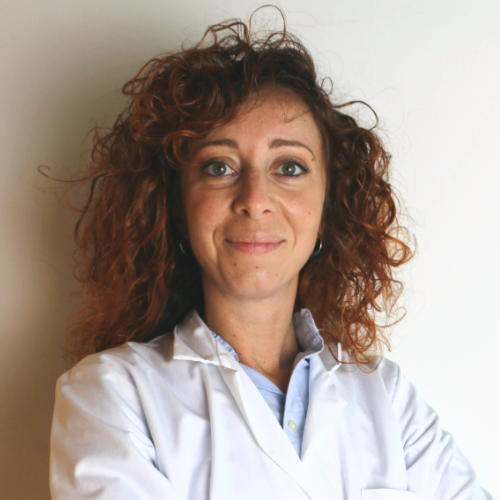
Professor Valeria Cento
President of BSc in Biomedical Laboratory Techniques, Director of the Medical Specialty School of Microbiology and Virology, Humanitas University
Current Position
Prof. Valeria Cento is an Associate Professor of Microbiology and Clinical Microbiology at Humanitas University in Milan, Italy. She is the Director of the Operative Unit of Microbiology and Virology at IRCCS Humanitas Research Hospital.
At the academic level, she is the Director of the Postgraduate Residency Program in Microbiology and Virology, and the President of the Bachelor Degree in Biomedical Laboratory Techniques.
Education
- 2011–2017: Degree in Medicine and Surgery, University of Rome “Tor Vergata”
- 2008–2011: PhD in Medical Microbiology and Immunology, University of Rome “Tor Vergata”
- 2006–2008: Second-level degree in Medical Biotechnologies, University of Rome “Tor Vergata”
- 2003–2006: First-level degree in Biotechnologies, University of Siena
Academic and Research Career
- Since 2021: Associate Professor, Department of Biomedical Sciences, Humanitas University
- Since 2021: Scientific Director of the Microbiology Laboratory, IRCCS Humanitas Research Hospital
- 2020–2021: Assistant Professor, Department of Oncology and Hemato-Oncology, University of Milan
- 2012–2018: Postdoctoral Fellow, Department of Experimental Medicine and Surgery, University of Rome “Tor Vergata”
Research Interests
Prof. Cento’s research focuses on clinical and translational microbiology, with particular emphasis on:
- Genetic characterization of bacteria and human viruses
- Molecular diagnostics and antimicrobial susceptibility
- Mechanisms of drug resistance and immune escape in chronic and acute viral infections
- Contributions to national and international studies on SARS-CoV-2, HIV, and hepatitis viruses
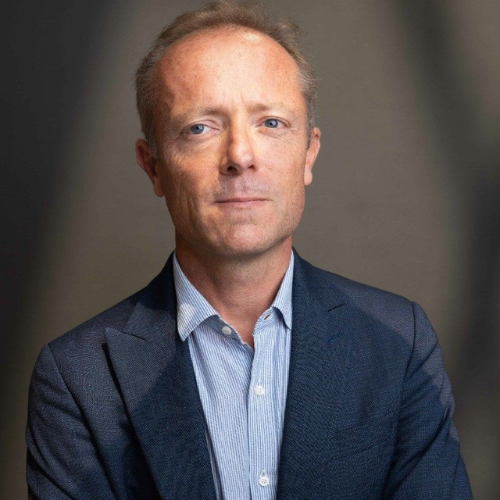
Dr. Christophe Martinaud, MD, PhD
Senior Director, Medical Affairs, Cepheid
Dr. Christophe Martinaud is Senior Director, Medical and Scientific Affairs at Cepheid, leading the Europe, Middle East, and Africa region team. He joined Cepheid in 2022 as director for. He is a medical doctor with a fellowship in laboratory medicine and holds a PhD in molecular and cell biology. Dr. Martinaud has worked for several years in academic hospitals, in France, where he headed laboratories, led research teams, and taught as a professor of laboratory medicine in France and Africa. He has authored over 100 peer-reviewed publications and his main research interests include infectious diseases and blood transfusion.
Dr. Abdulaziz Alhazmi (MD, MSc.)
Medical Affairs Director, Cepheid
Moderator